The new era of designers: AI and a future full of promise
AI workflows for designers go beyond image generation—shaping every step of the business, from first idea to shipped product. Inside the new era of design.
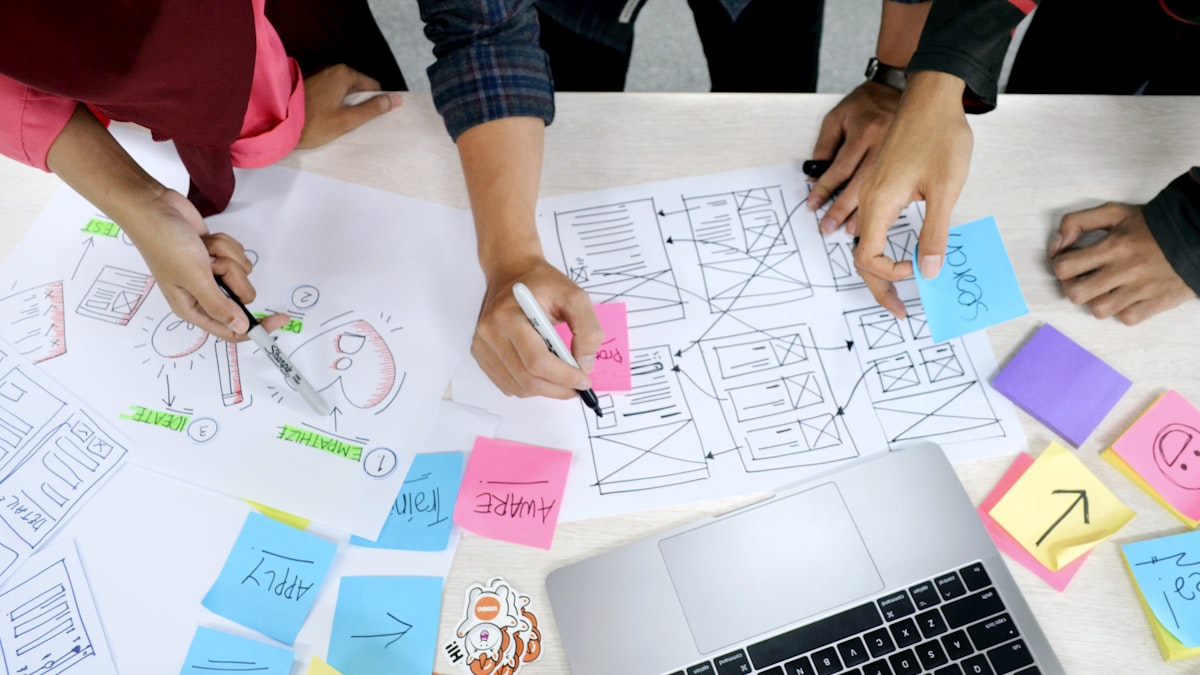
I recently sat down with a cross-functional team at a bank—designers, researchers, engineers, business, and communication people alike—to talk about the thing I keep coming back to: the intersection of design and technology, and how AI is quietly rewiring what a designer can be. We didn’t spend the time talking about generating images—we talked about a new era where designers shape every step of the business, from the first idea on a napkin to the product in the end user’s hands.
That’s the shift worth paying attention to. The most exciting part of this moment isn’t the tools. It’s what they unlock in people.
It was never about generating images
When most teams hear “AI for designers,” they picture a prompt box that spits out a hero image. That’s the least interesting thing happening right now.
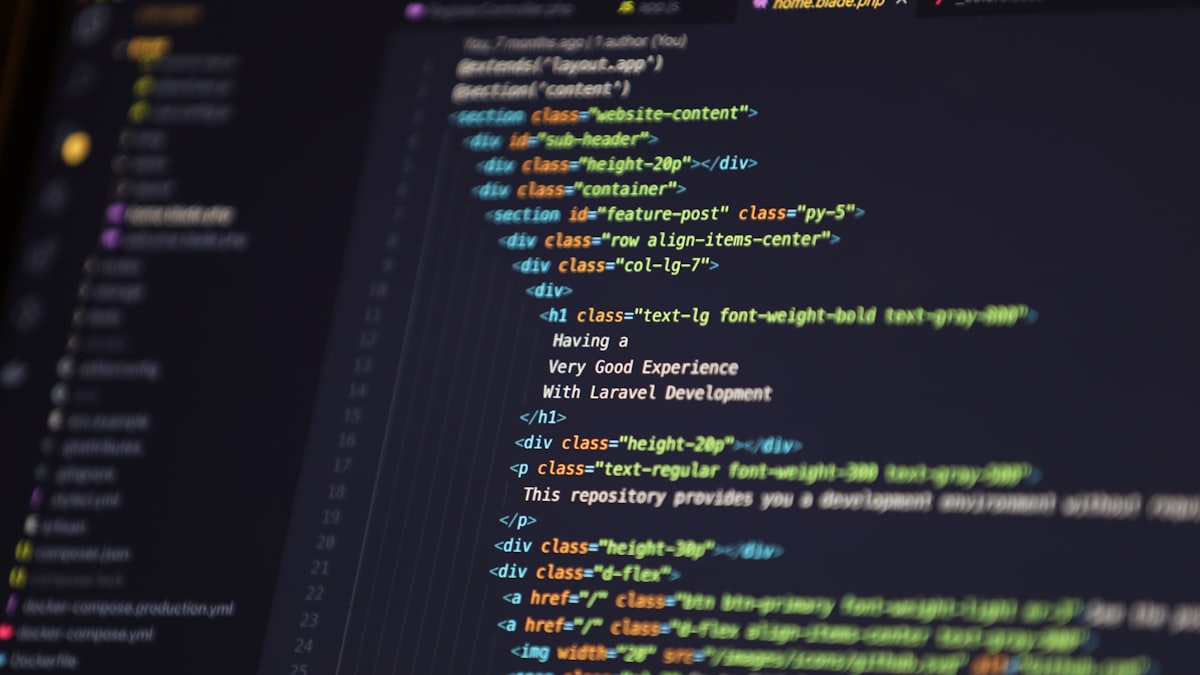
The real shift is the collapse of the wall between thinking and building. The designer who once sketched a flow and waited can now ship it: prototype the interaction in real code, write the spec that defends it, stand up the API that powers it, and hand engineering something that already runs. The discipline boundaries—research, design, product, front-end—stop being handoffs and start being a single mind moving fast. This is the multidisciplinary designer AI finally makes possible: one person carrying an idea from a half-formed brainstorm to a working, shippable artifact without losing intent at a single seam. Tools like Claude Code, Codex, Figma Make, and Cursor aren’t shortcuts—they erase the gap between what you can imagine and what you can build, and they hand that power to whoever is willing to think clearly and reach across the lines.
This is the same filter I apply across all my AI-assisted design workflows: AI is a multiplier when it executes a clear intent, and noise when it’s asked to invent the intent for you. The designers winning with these tools are the ones who already know how to think clearly about a problem.
A new era for designers: the boundaries are gone
The walls that used to define “design work” have quietly come down. What a designer can do today stretches far past aesthetics—into software engineering, sales, marketing, customer experience, animation, film, print, and industrial design.
We’re no longer just the people who make things look good. We’re the people who can take an idea from a sketch to a fully functional product and get it into someone’s hands. When the cost of producing a working artifact drops, the constraint stops being “can I build this?” and becomes “do I understand the problem well enough to build the right thing?”—which is exactly the question designers were trained to answer. This is the throughline I traced in why the future belongs to designers who build: the practitioners who can move between disciplines are the ones compounding their impact.
How does a designer impact every step of the business?
Here’s the part that lands hardest in a room full of designers: with AI in the loop, a single designer can meaningfully touch the entire arc of a product, not just the middle of it.
- Brainstorm and discovery. Use an LLM as a thinking partner to pressure-test the brief, surface contradictions, and generate framing options to react against—before opening a design tool.
- Requirements and specs. Turn a conversation into a clear, testable spec that product and engineering can actually align on, instead of a deck that gets reinterpreted three ways.
- Build. Scaffold real components and prototypes with Claude Code or Cursor, so the handoff is a head start rather than a translation exercise.
- Go-to-market. Draft the landing page, the launch copy, the sales narrative—keeping the product’s voice consistent from the UI to the pitch.
- Customer experience and delivery. Shape onboarding, microcopy, and support flows so the last mile feels as considered as the first screen.
Every room gets a boost, from the first look to the very last step. That’s not a designer doing five jobs badly—it’s a designer applying one consistent way of thinking across the whole chain, with AI absorbing the production tax that used to make it impossible. Doing this at scale across a team is its own discipline, which I dig into in design systems for agentic workflows.
Design thinking is the throughline
None of this works because the tools are magic. It works because design has always been a way of thinking—about people, constraints, tradeoffs, and outcomes—and AI turns that way of thinking into something you can execute at the speed of conversation.
That’s why designers, specifically, are well-positioned for this era. The skill that transfers across every step of the business isn’t pixel-pushing; it’s the ability to hold the user, the goal, and the constraints in mind at once and decide what matters. AI gives that judgment reach. It doesn’t replace the judgment—it amplifies it.
Remote and async become an advantage
There’s a quieter benefit hiding in all of this. When thinking is documented, specs are explicit, and prototypes are real, distributed work stops feeling like a compromise.
A well-written spec is asynchronous by nature. A working prototype answers questions a meeting would have raised. The same AI workflows that expand a designer’s range also make remote, async, and hybrid teams genuinely more effective—because they force the clarity that co-located teams often skip. The new era of designers and the new era of distributed work are the same story.
Key Takeaways
- AI’s real value for designers isn’t image generation—it’s richer brainstorms, sharper meetings, and better-documented requirements.
- The boundaries around “design work” are gone; a designer can now shape every step of the business, from first idea to delivery.
- Tools like Claude Code, Codex, Figma Make, and Cursor remove the production tax, so the remaining constraint is clarity of thought.
- Design has always been a way of thinking; AI turns that thinking into a superpower you can execute.
- The clarity these workflows demand makes remote and async work an advantage, not a tradeoff.
The new era of designers is already here—and the future, for anyone willing to think across the whole business, is genuinely promising. We’re just getting started.
Want this conversation in your room? I speak with teams and at events about everything at the intersection of design and technology—from AI-assisted workflows to what design leadership looks like in this new era. If that’s a fit for your team or stage, let’s set up a speaking session.